
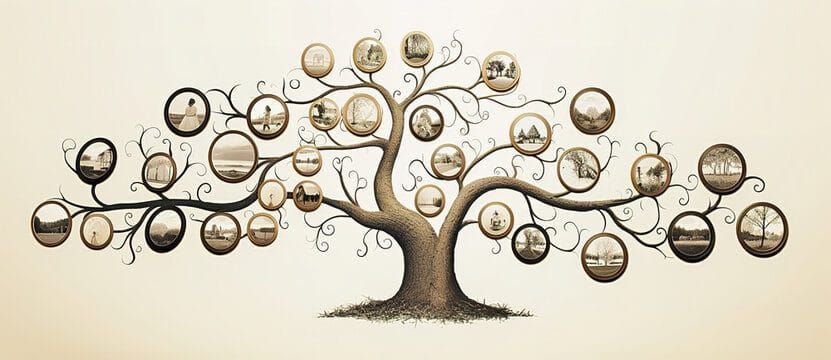
Every family has stories—some carefully preserved, others slowly fading with time. Old photographs, handwritten notes, and half-remembered names often hold emotional weight, yet without structure, these memories can easily become fragmented. This is where professional genealogy services play a powerful role, combining genealogy organization with storytelling to transform scattered information into a meaningful and lasting family narrative.
Genealogy is no longer just about tracing names backward. Today, it’s about creating clarity, preserving identity, and building a legacy that future generations can understand and cherish. Professional genealogists act as both researchers and family tree organisers, bringing order, context, and depth to your family history.
Beyond Online Searches: Why Professional Genealogy Matters
Many people begin exploring their ancestry using online databases or DNA testing platforms. While these tools are helpful, they often provide incomplete, unverified, or even conflicting information. Without proper genealogy organization, family trees can quickly become inaccurate or misleading.
Professional genealogists go far beyond basic searches. They apply proven research methodologies, verify relationships through multiple sources, and organize lineage in a way that ensures long-term accuracy. Most importantly, they don’t treat genealogy as a collection of facts—they treat it as a story waiting to be told.
What Professional Genealogists Look For
1. Verified Historical Records
At the core of professional genealogy is reliable documentation. Experts prioritize original and primary records to build a solid foundation for genealogy organization. These often include:
-
Birth, marriage, and death certificates
-
Census and residential records
-
Church baptism, marriage, and burial registers
-
Immigration and naturalization documents
-
Military service files
-
Wills, probate records, and land deeds
A professional family tree organiser knows where these records are held and how to interpret them accurately within historical and regional contexts.
2. Name Variations and Generational Changes
Names evolve over time. Spellings change, surnames are altered, and first names may be shortened or anglicized. One of the key roles of a genealogy expert is recognizing these variations and ensuring they are correctly connected.
Through careful genealogy organization, professionals identify:
-
Alternate surname spellings
-
Cultural naming traditions
-
Maiden names and remarriages
-
Generational naming patterns
This level of detail prevents broken lineage and ensures family connections are preserved correctly.
3. Geographic Roots and Migration Trails
Family history is deeply tied to place. Understanding where ancestors lived—and why they moved—is essential to building a complete lineage. Professional genealogists examine:
-
Parish, village, and county boundaries
-
Economic, political, or social reasons for migration
-
Urbanization and overseas relocation patterns
-
Historical events influencing movement
A skilled family tree organiser maps these movements clearly, allowing families to visualize how their lineage evolved across regions and generations.
4. Social and Historical Context
True genealogy organization goes beyond names and dates. Professionals study the historical environment surrounding each ancestor, including:
-
Occupations and trades
-
Religious and cultural affiliations
-
Social class and land ownership
-
Local customs and laws
By placing ancestors within their historical setting, genealogists transform basic data into meaningful life stories that resonate emotionally.
How Experts Organize Lineage
1. Structured Family Tree Development
A professionally built family tree is not just visually appealing—it is evidence-based and logically structured. Every relationship is supported by documentation, ensuring accuracy and credibility.
As a family tree organiser, a genealogist ensures:
-
Clear parent-child relationships
-
Verified marriages and partnerships
-
Accurate handling of adoptions or blended families
-
Detailed notes attached to each record
This structured genealogy organization prevents misinformation from being passed down over time.
2. Chronological Life Timelines
Instead of listing isolated facts, professionals organize ancestry into chronological narratives. These timelines often include:
-
Birth and early life circumstances
-
Education and career development
-
Marriage and family milestones
-
Relocations and major life events
-
Later years and legacy
This approach helps families understand ancestors as real people, not just names on a chart.
3. Source Tracking and Documentation
Transparency is a cornerstone of professional genealogy organization. Every fact is supported by a traceable source, allowing future generations to verify, expand, or continue the research.
Proper documentation ensures:
-
Long-term research integrity
-
Confidence in shared family records
-
Seamless continuation of lineage projects
This level of organization is what separates professional genealogy from casual family trees.
4. Story-Based and Visual Presentation
Modern genealogy is increasingly visual and narrative-driven. Many professionals collaborate with creative services to present lineage through:
-
Illustrated family trees
-
Written family histories
-
Memory books and legacy albums
-
Personal documentaries and narrative videos
These formats bring genealogy organization to life, making family history accessible and engaging for all ages.
How Professional Genealogy Deepens Your Family Story
Strengthening Identity and Belonging
Understanding your ancestry fosters a stronger sense of identity. When genealogy is properly organized, individuals can see how their story fits into a larger family narrative shaped by resilience, migration, and shared experiences.
Connecting Generations
Professional genealogy often becomes a collaborative journey. Older generations contribute memories and insights, while younger family members engage through digital storytelling and visual family trees. A clear family tree organiser framework helps bridge generational gaps and encourages meaningful conversations.
Creating a Lasting Legacy
A professionally organized family history becomes a timeless keepsake. Whether preserved as a book, archive, or documentary, it ensures your family’s story remains accessible long after personal memories fade.
With expert genealogy organization, your family history becomes more than information—it becomes inheritance.
Supporting Creative and Legacy Projects
For families creating memory books, autobiographies, or personal documentaries, professional genealogy provides essential structure. Accurate lineage adds depth, authenticity, and emotional richness to storytelling projects, ensuring they are both meaningful and historically sound.
When Should You Consider Professional Genealogy Services?
Professional genealogy services are especially valuable when:
-
Family records are incomplete or scattered
-
Ancestry spans multiple regions or countries
-
You want a well-organized family tree organiser system
-
You’re creating a legacy or storytelling project
-
Accuracy and emotional value are equally important
In these situations, expert genealogy organization saves time, reduces errors, and produces far more impactful results.
Final Thoughts
Professional genealogy services go far beyond tracing lineage—they bring order, clarity, and emotional depth to your family story. Through expert research, thoughtful genealogy organization, and structured family tree organisation, professionals transform fragmented information into a cohesive narrative that honors the past and inspires future generations.
Whether your goal is to preserve memories, create a family documentary, or simply understand where you come from, professional genealogy offers a powerful way to turn history into a living legacy—one that is accurate, meaningful, and beautifully told.