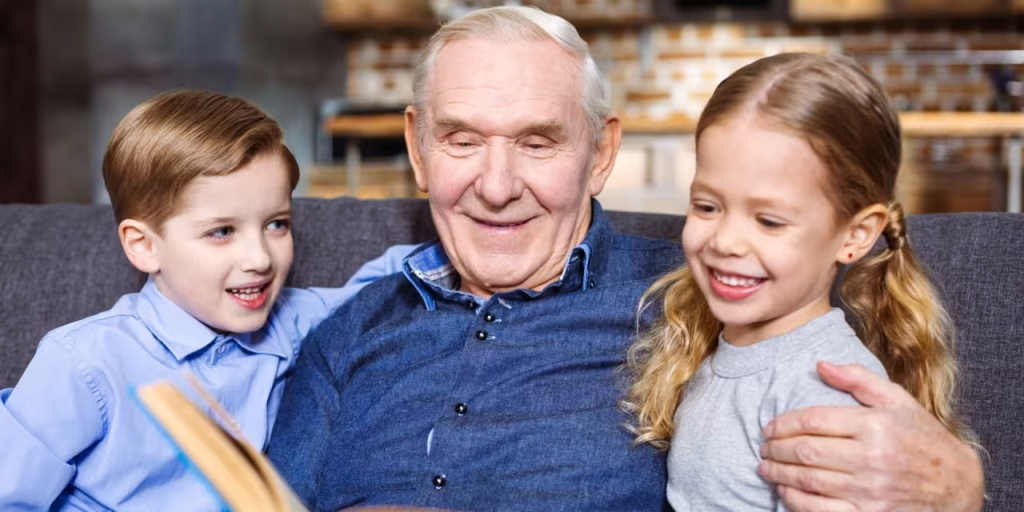
Every family carries a powerful treasure—but it’s not material. It’s the wisdom passed down from one generation to the next. These stories, lessons, and lived experiences hold more value than any heirloom. Yet many families struggle to preserve them. Memories fade, details get lost, and important stories often disappear with time.
Today, two creative and meaningful mediums are helping families protect their heritage in a way that feels alive and lasting: personal documentary films and life story books. Both forms of storytelling capture the essence of a person’s journey, preserving their experiences, values, and wisdom for future generations.
In this article, we’ll explore how these mediums work, why they matter, and how they allow families to keep generational wisdom alive forever.
The Importance of Preserving Generational Wisdom
Generational wisdom is more than just stories about the past—it’s the guiding force that shapes future decisions, identity, and values. Whether it’s a grandmother’s resilience, a father’s journey of hard work, or a family’s migration story, these narratives help future generations understand where they come from.
Here’s why capturing generational wisdom matters:
-
It strengthens identity and belonging
-
It teaches resilience through real-life stories
-
It preserves cultural heritage and traditions
-
It builds emotional connection across generations
-
It inspires future growth through inherited insight
Without intentional preservation, these stories often disappear. That’s where personal documentary films and life story books come in—they give these memories a permanent home.
Personal Documentary Films: Bringing Wisdom to Life
There is something powerful about hearing a story directly from the person who lived it. Personal documentary films capture gestures, tone of voice, facial expressions, and emotions—bringing stories to life in a way written words sometimes cannot.
Why Personal Documentary Films Are So Effective
-
Emotion Is Captured in Real Time
Seeing a loved one laugh while telling a childhood memory or tear up while speaking about a difficult lesson creates a deep emotional connection. -
Authenticity That Can’t Be Replicated
Personal documentary films preserve the storyteller’s personality—how they speak, move, smile, and think. -
Visual Storytelling
Photographs, family videos, and places from the past can be incorporated to make the story richer and more vivid. -
A Cinematic Legacy
The final product looks and feels like a professionally crafted movie, making it a treasured family heirloom.
The Wisdom Films Can Capture
Through interviews and candid conversations, you can record:
-
Life-changing moments
-
Struggles and how they were overcome
-
Love stories, marriage lessons, and parenting experiences
-
Cultural traditions
-
Advice for future generations
-
Personal philosophies
-
Important family history
A personal documentary becomes a living legacy—something children and grandchildren can return to whenever they need guidance or inspiration.
Life Story Books: Preserving Wisdom in Words
While films capture expression and emotion, life story books preserve the depth and richness of storytelling through beautifully crafted written narratives. They allow individuals to express their thoughts with reflection and detail, sometimes in ways they may not express on camera.
Why Life Story Books Are Powerful Tools for Capturing Wisdom
-
They Provide Space for Deep Reflection
Many people open up more when they are writing or speaking with a writer. The result is a more thoughtful and introspective narrative. -
They Offer Timeless Permanence
Books can be held, passed around, gifted, and saved for generations—just like classic memoirs or family bibles. -
They Allow for Details and Long-Form Storytelling
Where films may condense, books expand. A life story book can include anecdotes, letters, journal entries, photographs, and more. -
A Beautiful Physical Keepsake
Designed with photos and elegant layout, the book becomes a cherished treasure for the family.
What Life Story Books Capture Best
-
Detailed life chapters
-
Emotions experienced through different life phases
-
Personal insights and life lessons
-
Cultural history
-
Family traditions
-
Ancestral stories
-
Wisdom that deserves to be written, preserved, and shared
Books allow storytellers to articulate messages in their own words—a legacy written in ink.
Why Use Both Personal Documentary Films and Life Story Books?
While each medium is powerful, using both creates a complete and multidimensional legacy.
1. Emotion + Detail = Complete Storytelling
-
Films capture emotion
-
Books capture detail and depth
Together, they preserve both the heart and the soul of a story.
2. Different Storytelling Styles Appeal to Different Family Members
-
Some love watching films
-
Others enjoy reading deep narratives
Using both formats ensures that the legacy is accessible to everyone.
3. Each Format Captures What the Other Cannot
-
Films capture voice and visual expression
-
Books capture long-form thoughts, introspection, and timelines
This combination gives future generations the fullest understanding of their family history.
4. Enhanced Longevity
Books and digital films complement each other for long-term preservation. If one format becomes outdated, the other remains accessible.
5. Ideal for Big Family Projects
Families often create a life story book first, then craft a personal documentary film based on the book. This brings the written words to life on screen.
How These Storytelling Tools Preserve Wisdom Across Generations
1. Capturing Cultural Roots
Many families migrate from one region or country to another. Through personal documentaries and life story books, the journey, challenges, and cultural identity are preserved.
2. Passing Down Life Lessons
Stories about love, perseverance, sacrifice, and success remind future generations of their family’s strength.
3. Understanding Family Patterns
Personal stories help identify patterns that shape a family—traditions, philosophies, values, or even struggles.
4. Teaching Resilience Through Real Experiences
A story about overcoming hardship can inspire a descendant decades later who faces similar challenges.
5. Keeping Loved Ones Alive in Memory
When a grandchild hears the voice or reads the words of a grandparent they never met, the emotional impact is immeasurable.
How to Begin Capturing Generational Wisdom
Here’s a simple guide to help families start:
1. Choose a Format: Film, Book, or Both
Decide whether you want a visual documentary, a written book, or a combination.
2. Start with an Interview or Conversation
Record conversations with parents, grandparents, or elders. Ask:
-
What shaped your life the most?
-
What lessons do you want to pass on?
-
What are your happiest memories?
-
What advice would you give future generations?
3. Gather Photos, Journals, and Family Materials
These can be added to both the film and the book.
4. Hire a Professional Filmmaker or Writer (Optional but recommended)
They bring experience, structure, and emotional storytelling skills.
5. Organize the Story by Themes or Life Chapters
This helps structure both the documentary and the book.
6. Choose the Design and Final Format
Decide on the book layout or film style—classic, cinematic, emotional, or artistic.
7. Share It with Family
These stories become cherished keepsakes that unite generations.
Final Thoughts: A Legacy That Lives On
Personal documentary films and life story books are more than creative projects—they are gifts of love. They ensure that wisdom is never lost, that voices are always heard, and that future generations have access to the stories that shaped their family’s identity.
By capturing emotions, memories, lessons, and cultural heritage, these storytelling mediums leave behind a legacy that lasts forever. They allow every family to say:
“Our story matters.
Our wisdom matters.
And it will live on.”